Animals003
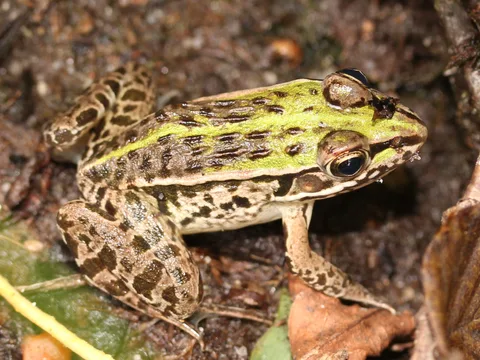
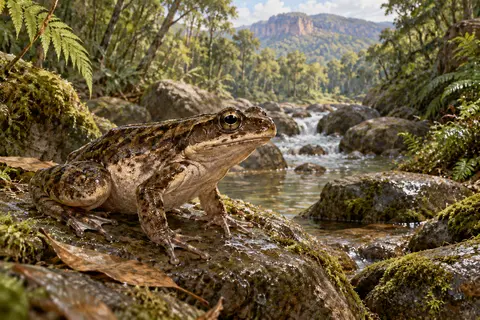
This frog raised its young in its stomach
An Australian species has turned a digestive organ into a shelter for its offspring.
Actual fact 1 min
The living has not ceased to astonish us.
561 documented stories available Collection in process of constitutionAn Australian species has turned a digestive organ into a shelter for its offspring.
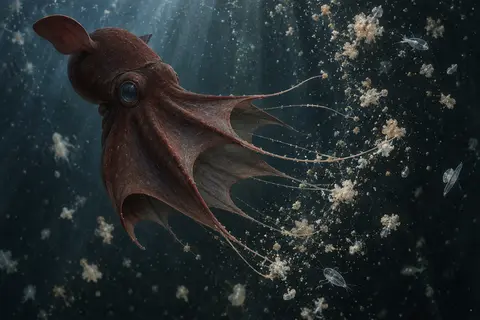
Researchers have discovered that this inhabitant of the depths collects mostly debris.
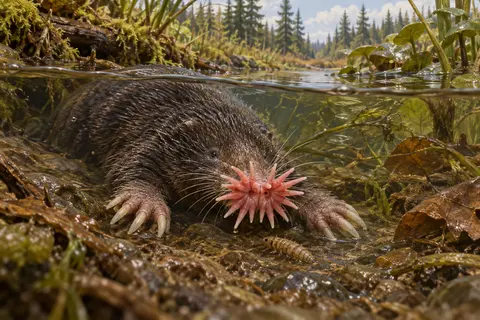
Twenty-two appendages turn a strange muzzle into a precision instrument.
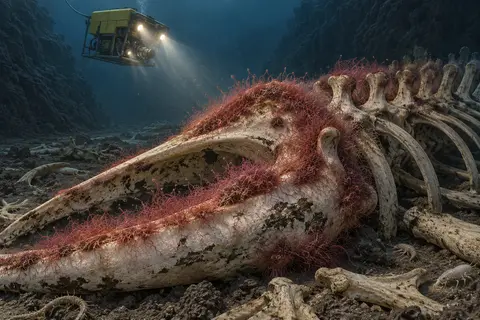
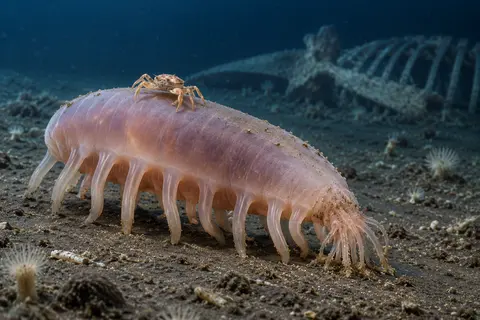
A whale carcass revealed an unexpected feeding pattern.
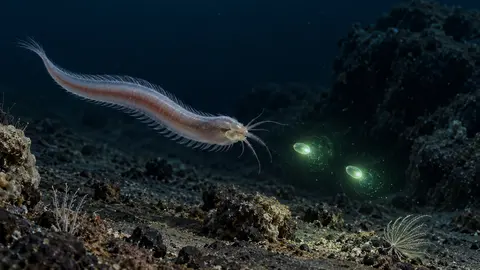
In the depths, bright pockets are detached from the body of a worm.
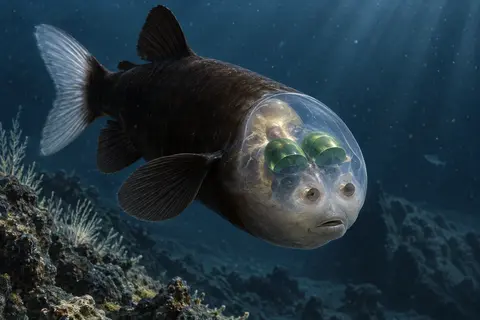
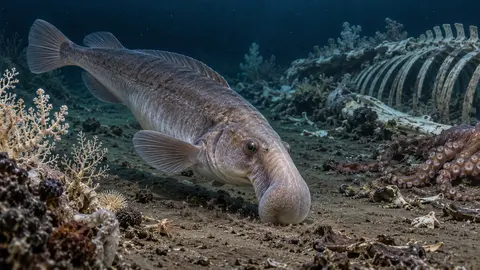
The Macropinna fish has long hidden the mobility of its eyes from researchers.
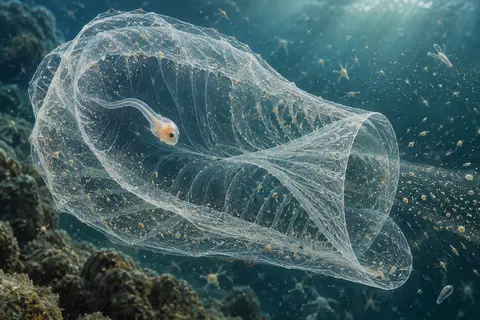
The researchers used lasers to understand an extremely fragile living filter.
Pacific California
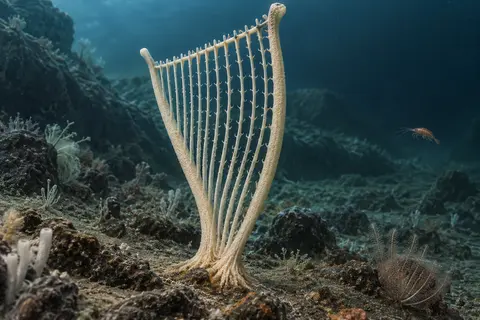
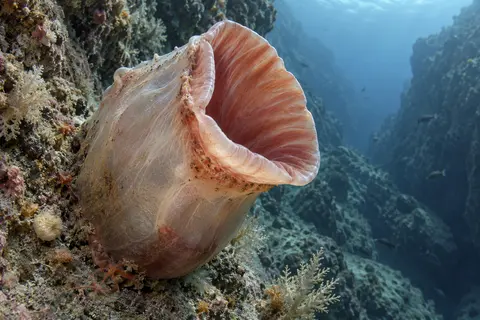
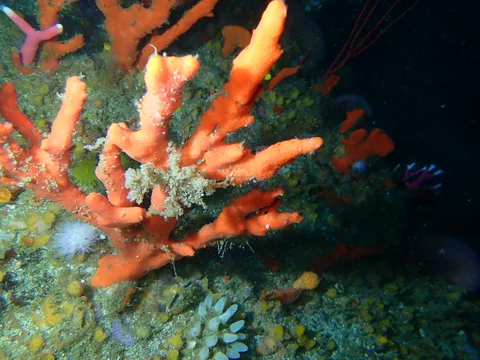
A sponge of great depths turns its branches into traps.
Eastern Pacific
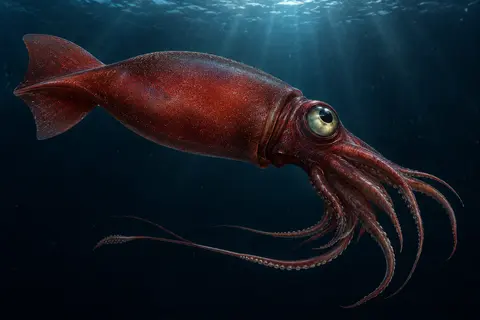
A large eye facing up and a small one facing down share the hunt.
North Pacific Monterey Canyon
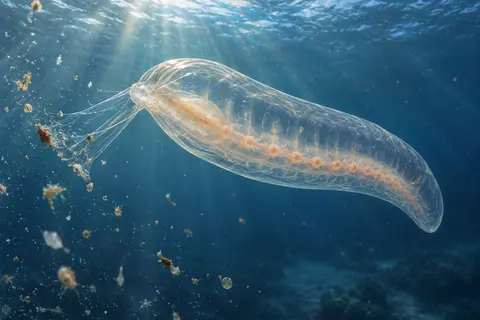
A deep tunicate doesn’t just feed like its filtering cousins.
Pacific Ocean
Poeobius floats away from the bottom and collects matter that comes down from the surface.
Pacific Northeast
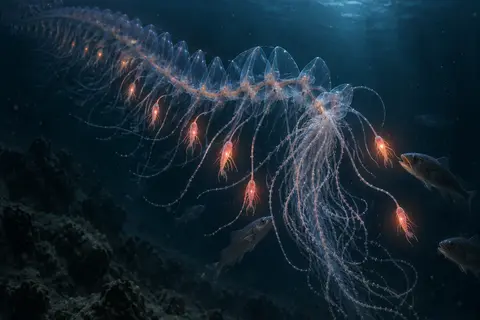
Erenna sirena attracts fish to her tentacles.
Tropical and temperate waters
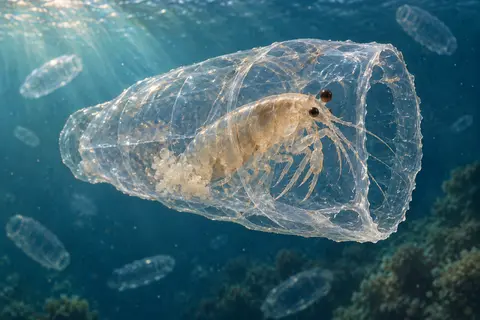
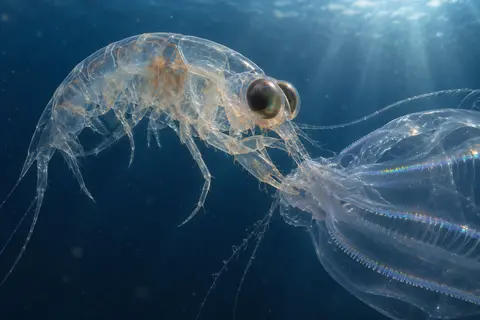
Phronima digs a gelatinous animal, then keeps its envelope.
Oceans full water
Cystisoma combines camouflage and vision in the darkness of the ocean.
Oceans great depths
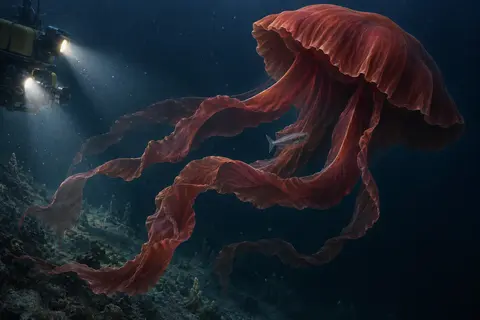
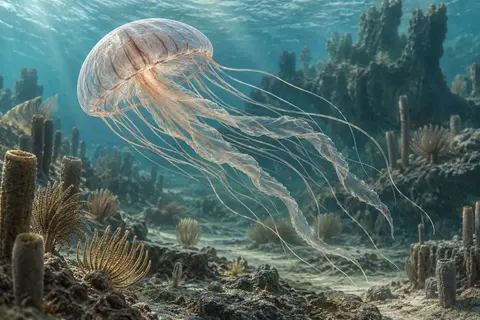
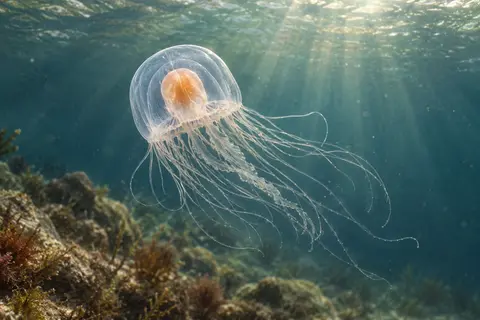
The giant ghost jellyfish remains difficult to observe despite its size.
Indonesia
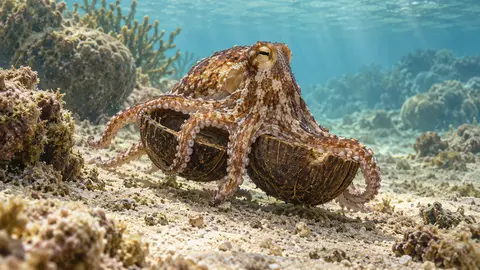
Coconut shells become transportable tools.
Oceans surface waters
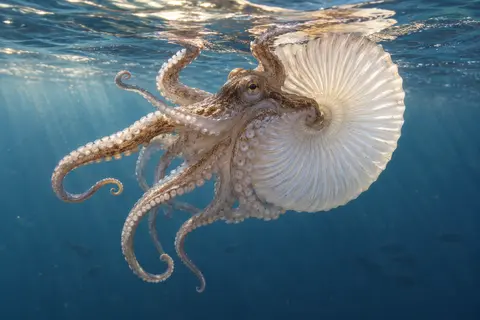
Female argonaute produces an envelope that is also used for its buoyancy.
Pacific Northeast
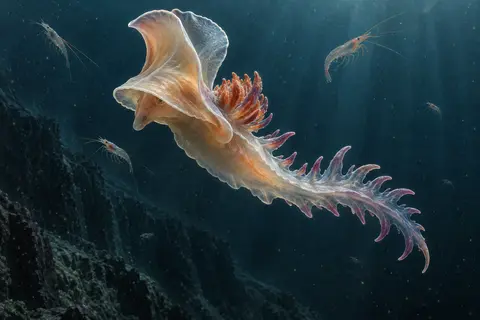
A water animal has long resisted its classification.
Pacific Northeast
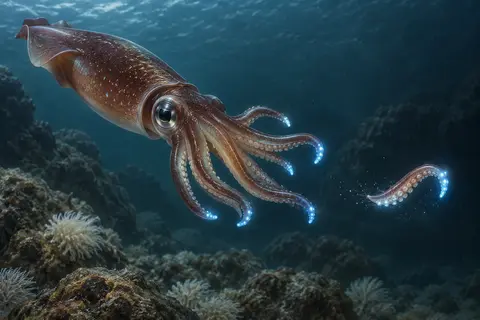
Octopoteuthis uses luminous ends to divert the danger.
Oceans full water
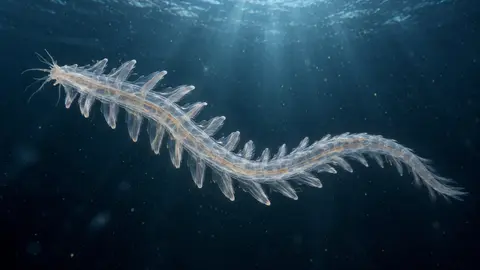
Tomopteris combines ripple and synchronized appendages.
Oceans Deep Seas
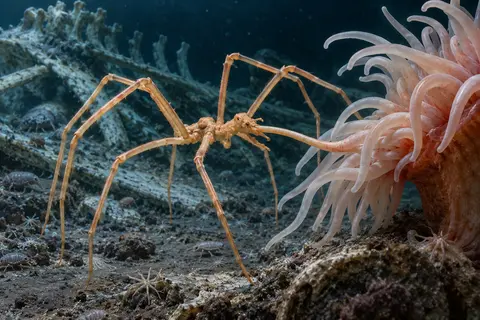
Giant pycnogonids do not weave a web to hunt.
Oceans Abyssal Plains
An observed association remains difficult to fully explain.
Oceans full water
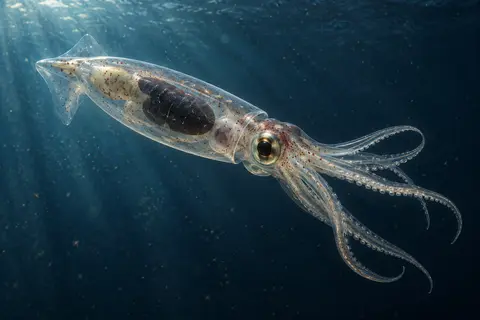
Cranchiids have several ways to change their visibility.
United States Nevada
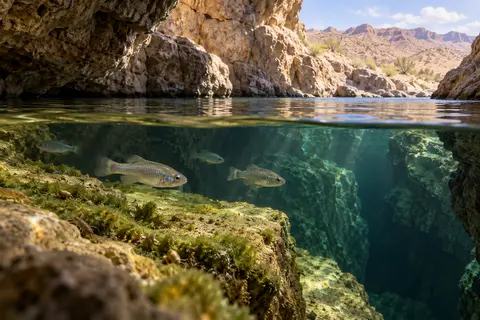
Cyprinodon diabolis depends on warm water in the middle of the desert.
United States Great Smoky Mountains
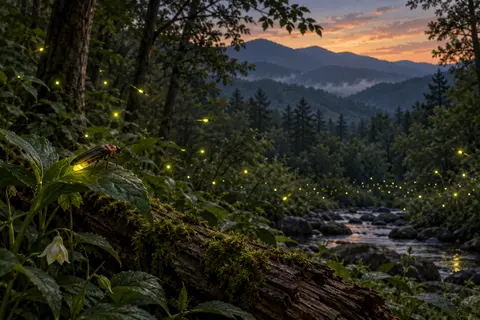
Photinus carolinus coordinates its light flashes during reproduction.
Oceans great depths
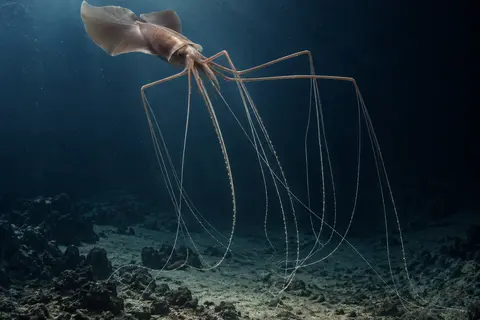
Magnapinna remains difficult to study despite spectacular images.
North Pacific
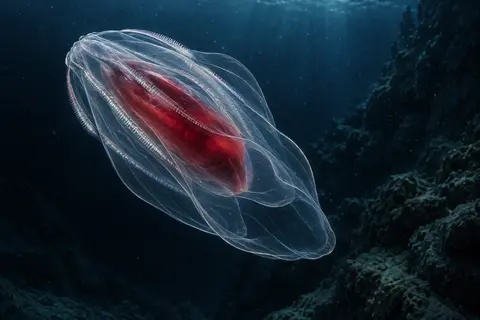
The Lampocteis ctenophore avoids being illuminated from the inside.
Eastern Pacific hydrothermal sources
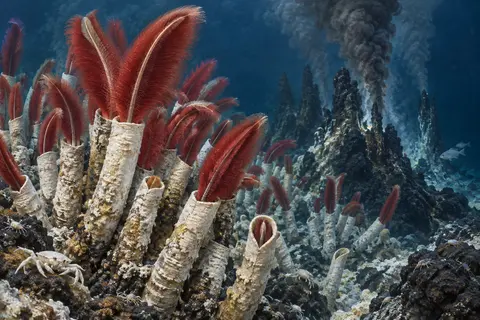
Riftia lives around hydrothermal sources on the ocean floor.
Pacific hydrothermal vents
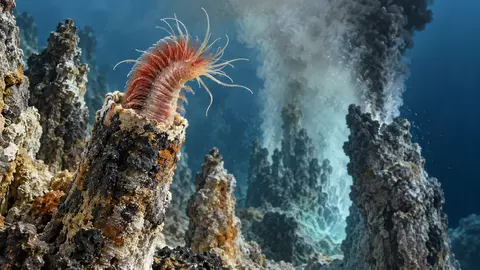
Alvinella lives in contact with strong temperature differences.
North Pacific
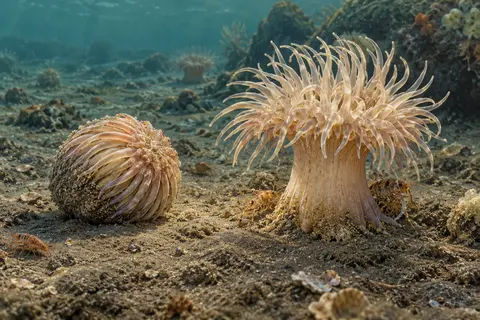
Liponema changes shape and lets itself be moved by the currents.
Oceans depths
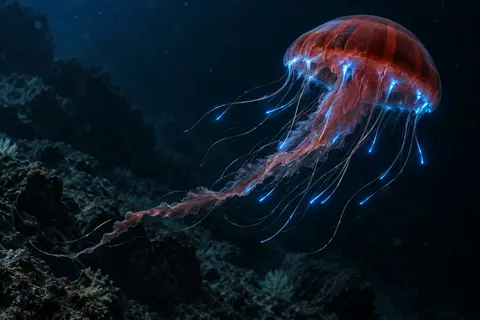
Atolla can produce blue splinters when threatened.
Oceans deep waters
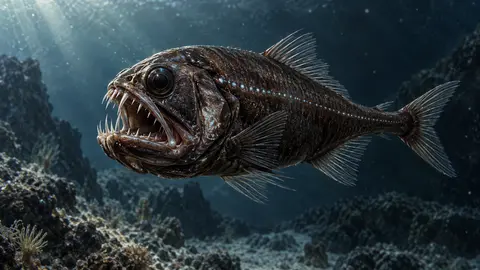
Anoplogaster cornuta doesn’t have to be giant to look impressive.
Oceans seabed
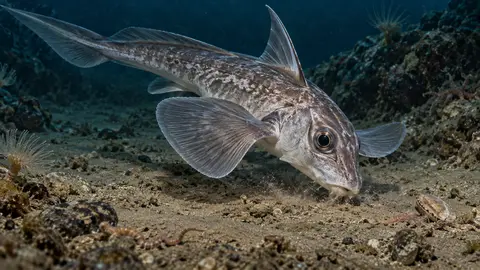
The chimeras of the genus Hydrolagus explore the background with several senses.
Atlantic and Pacific abyss
Spectrunculus uses large olfactory organs to find its meal.
Oceans full water
In the male Haliphron, a specialized arm can remain hidden.
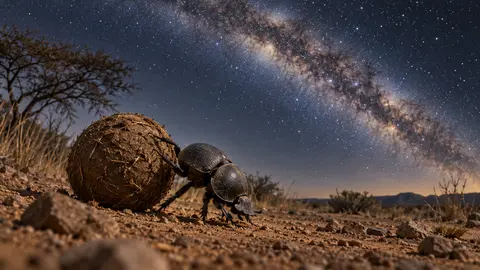
Scarabaeus satyrus uses a light far more distant than its destination.
The color change occurs behind the retina.
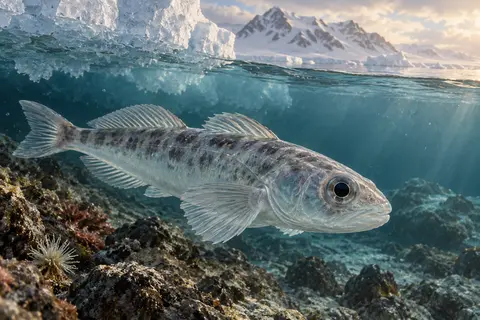
Channichthyidae live without hemoglobin, but always with oxygen.
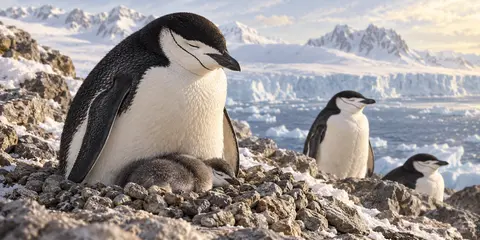
The penguin to jugular fragments its sleep during reproduction.
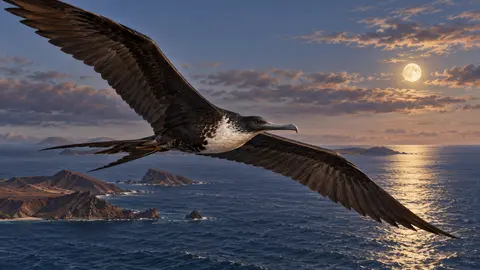
Electrodes revealed an almost invisible rest over the ocean.
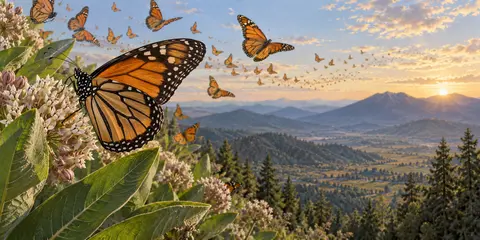
The migratory cycle in eastern North America is more than one life.
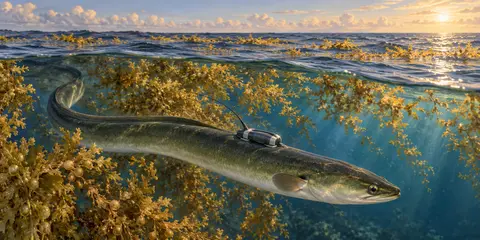
Since the Azores, European eels have reached the Sargasso Sea.
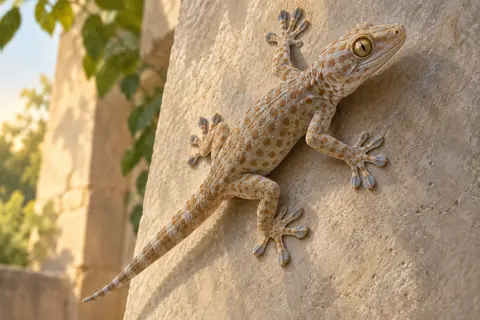
His fingers can also rearrange their supports when the surface changes.
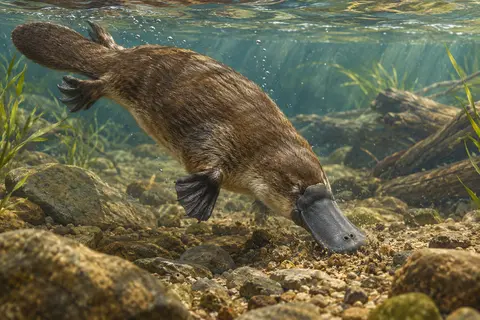
Under water, its beak detects more than just contacts.
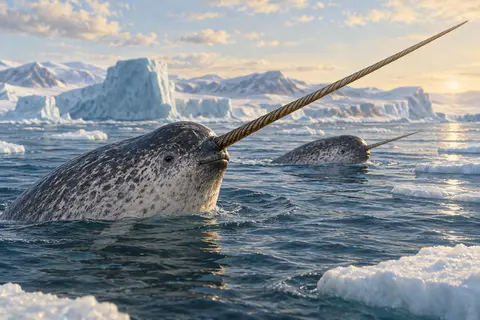
This long spiral comes out of his jaw: it is a tooth.
Algae and small butterflies share this living support.
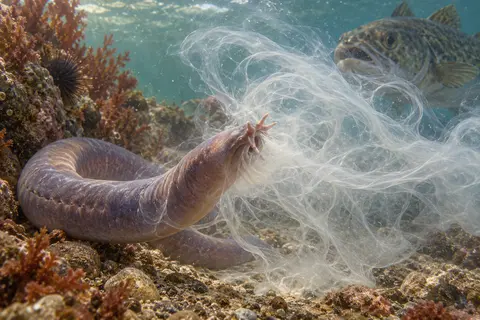
Its mucus also works thanks to long protein fibers.
New teeth appear in the back all his life.
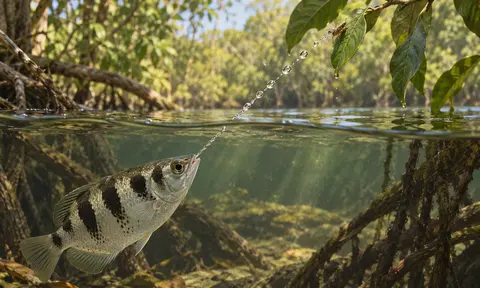
Water is concentrated close to impact, even when the distance changes.
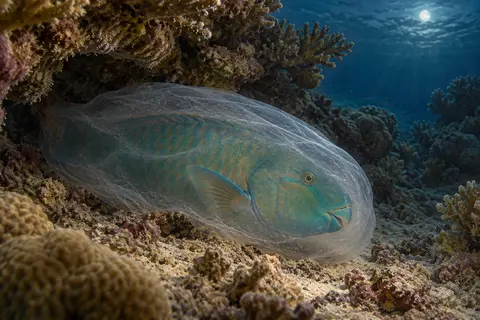
In Chlorurus sordidus, this envelope reduces certain parasitic attacks.
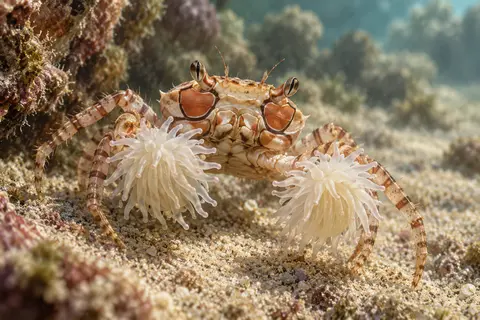
At Lybia leptochelis, each clamp can carry a living partner.
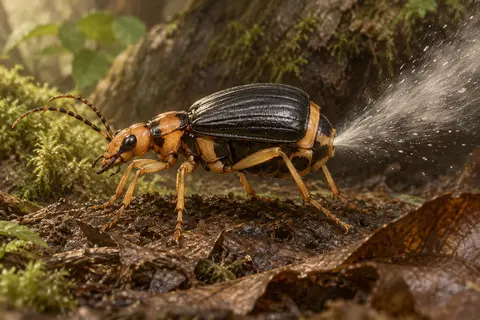
His defensive jet starts in pulsations regulated by pressure.
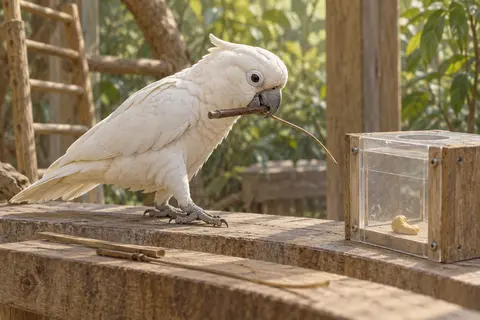
Goffin cockatoos adapted their equipment to the task.
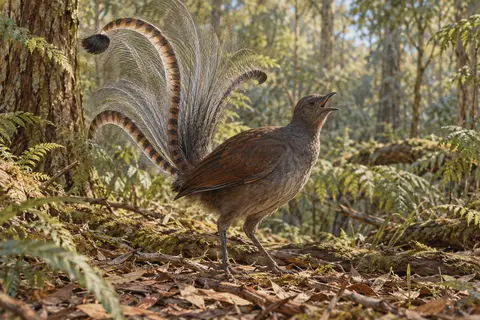
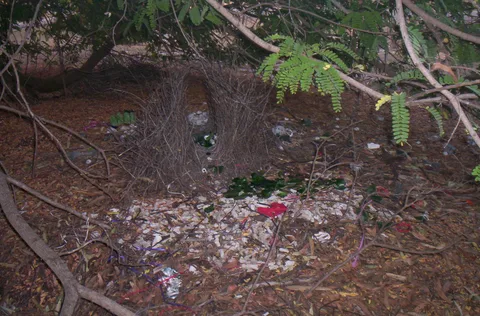
The superb male menure imitates the alarms of several species.
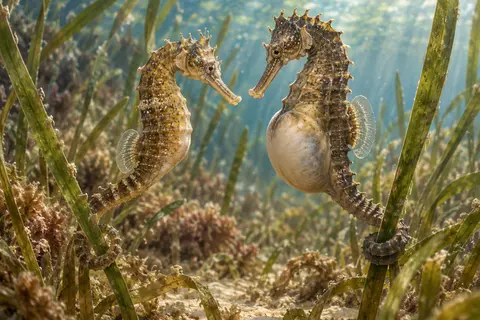
His pocket participates in the exchanges necessary for the development of the little ones.
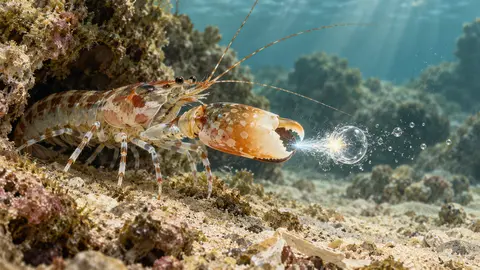
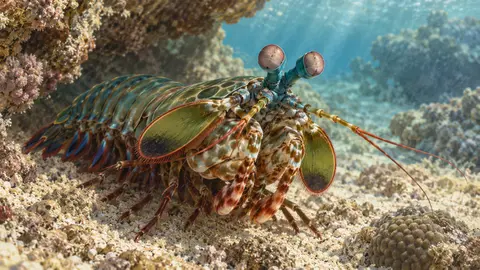
The spectacular noise doesn’t just come from the shock of its two clamps.
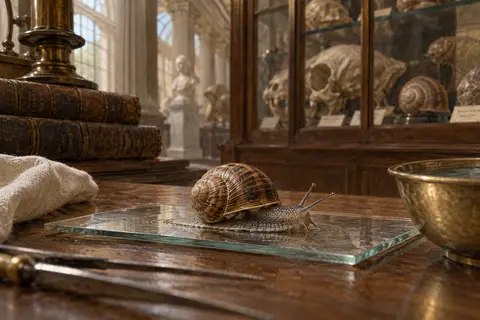
An old museum chronicle tells of an awakening almost four years after the showcase.
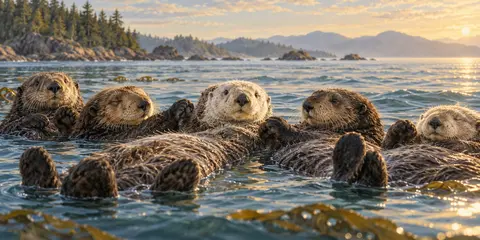
A group at rest can take on the look of a small living raft.
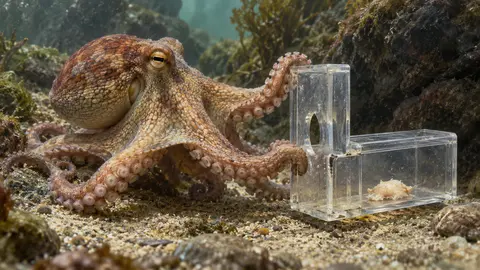
An L-shaped box turned a meal into a manipulation problem.
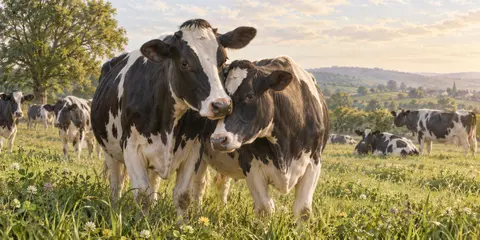
The links between cows have been studied beyond the pretty formula of “best friends”.
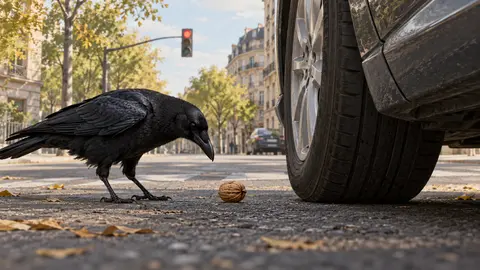
Detailed observations show how birds use the passage of cars.
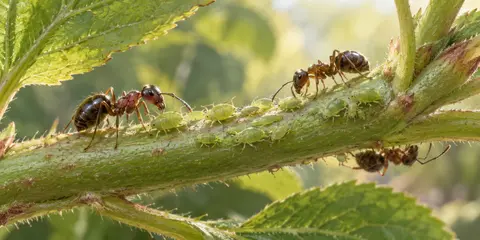
The relationship with aphids is not just about harvesting a sweet substance.
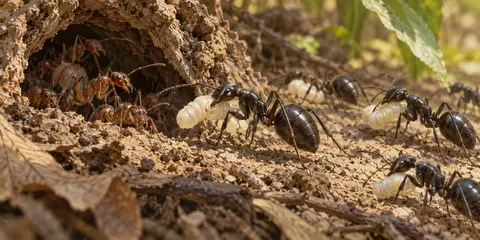
Social parasitism can go through raids against the brood of a neighboring species.
Their end of life after reproduction reveals the surprising role of glands located near the eyes.
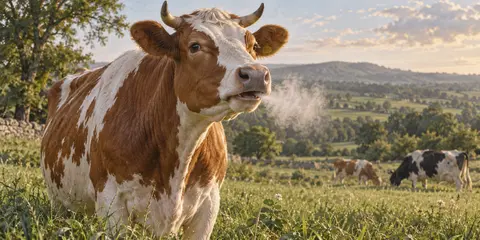
The formula on cow farts forgets much of the mechanism.
The spectacular flapping of the wings tells only half of his strategy.
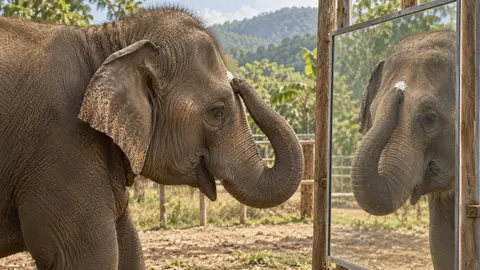
A trompe gesture made an experiment on self-recognition famous.
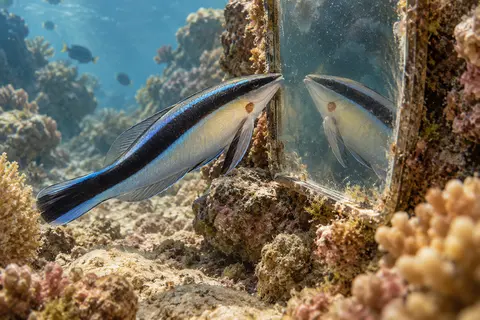
The labre cleanseur forces researchers to think about what a mirror measures.
A very fragile body has left a trace in a rock about 505 million years old.
To find them, you have to look at the ends of his arms.
Oxygen borrows small openings that are not noticed at this scale.
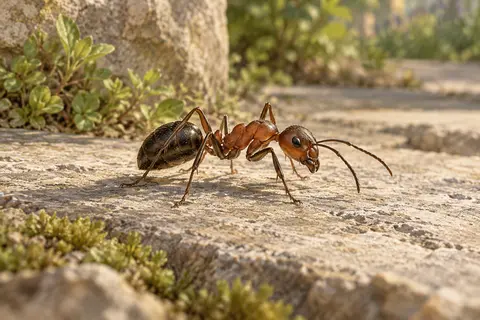
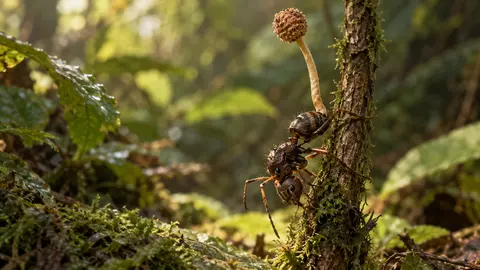
The term “zombie ant” hides an even stranger biological interaction than its nickname.
It also serves as a chemical reserve during a long wait for the cold.
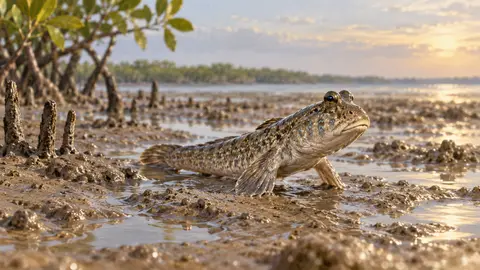
How does the periophthalm breathe out of the water? Discover this amphibious fish that moves on the vase, provided you stay wet.
Experimental research
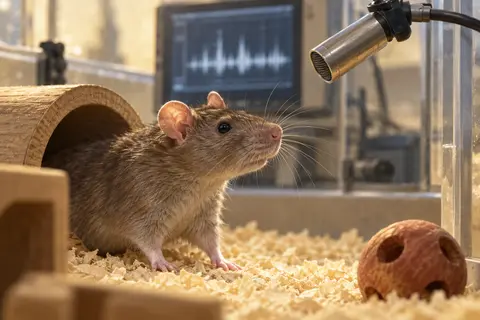
To study their reaction to the game, researchers need to listen beyond our ears.
Evolution of vertebrates
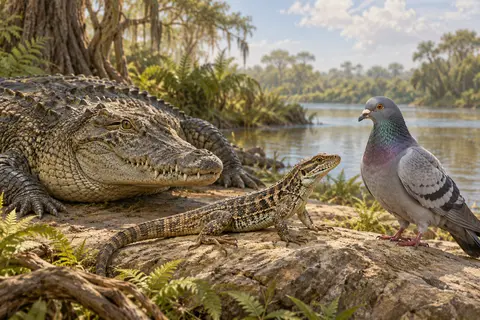
Crocodiles and birds are close relatives: discover why their common ancestor tells a story other than their appearances.
Africa
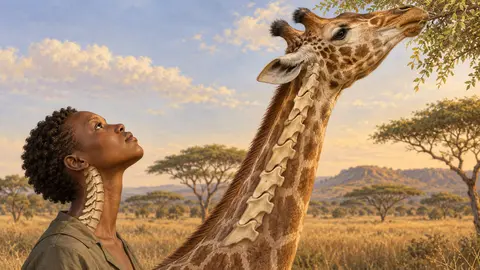
The length suggests a difference in number. The skeleton has another answer.
United Kingdom Bristol Experience
Silk threads, an electric field... and the animal leaves its support.
Marine environments
Counting her receivers is not enough to imagine the world she perceives.
United Kingdom
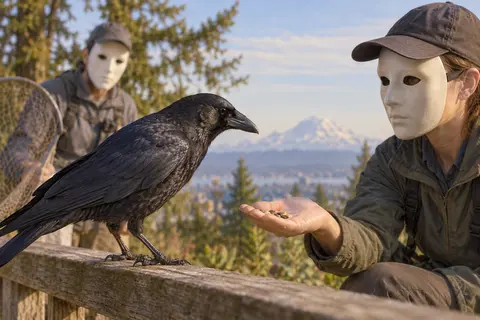
Their cries do not depend only on their birth: their surroundings also seem to leave an imprint.
Scotland
Under water, some whistles allow to address a particular individual.
United States
Two artificial faces allowed the researchers to distinguish memory and simple reaction to an expression.
Oceans
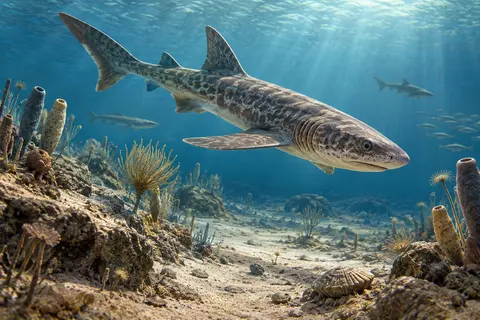
Their lineage goes through a dizzying time, but the sharks of today have not remained frozen in the past.
Mexico
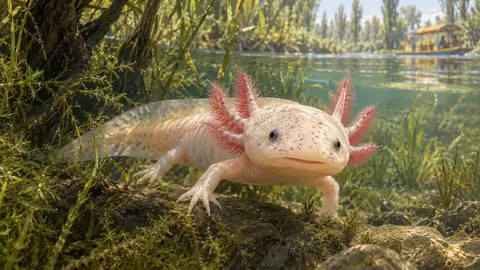
The axolotl does not just close an injury: it can rebuild complex structures.
International research
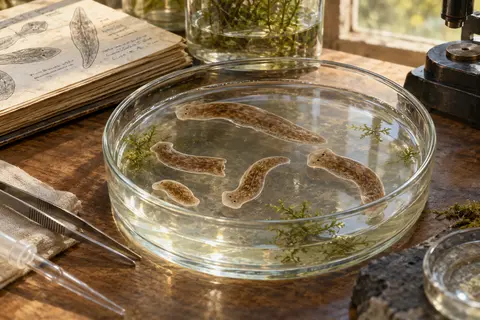
A comparison between species makes the famous power of the planar even more interesting.
Oxford, United Kingdom
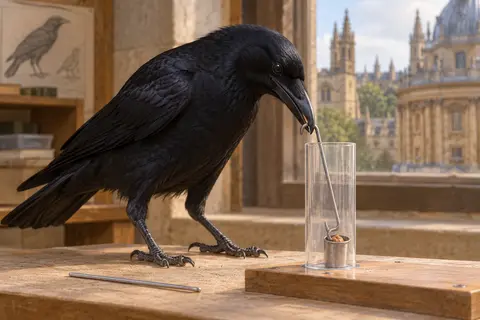
At the bottom of a tube, a reward remains inaccessible with a straight wire. Betty is changing the problem.
Venezuela
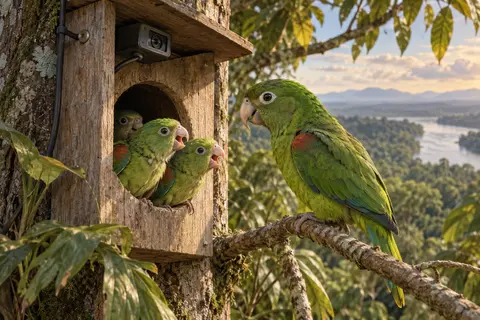
To separate learning from heredity, the researchers exchanged eggs between nests.
Tropical reefs
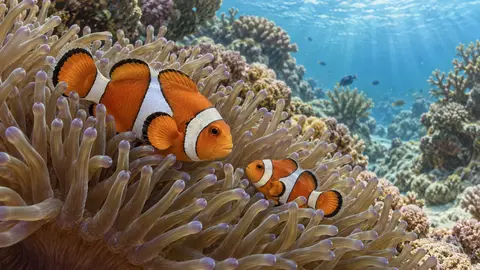
Behind its familiar colors, the clownfish has a surprising reproductive cycle.
Its amazing power is not to resist everything: it is to change the course of its development.
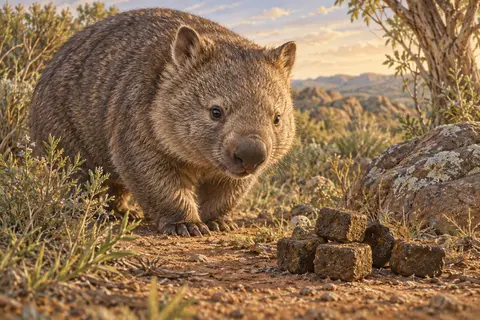
The riddle of wombat droppings leads to an unexpected factory: its intestine.
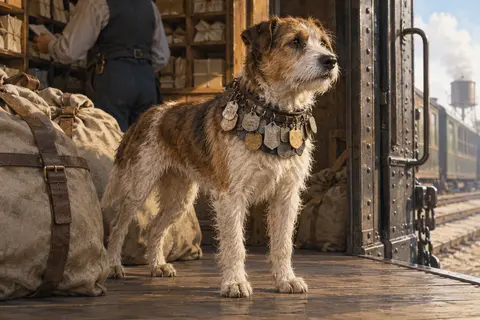
In Albany, a four-legged regular becomes the companion of itinerant postal workers.
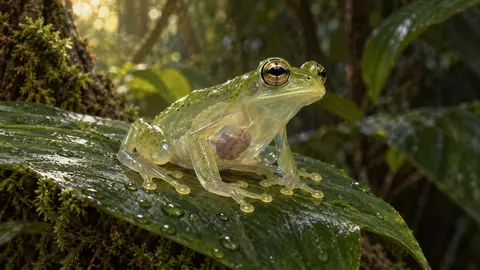
To become more transparent at rest, this frog changes the circulation of its red blood cells.
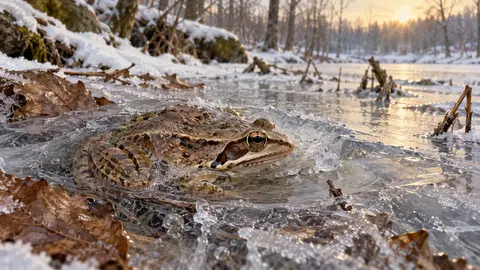
The Wood Frog is going through a state that many other animals would not survive.
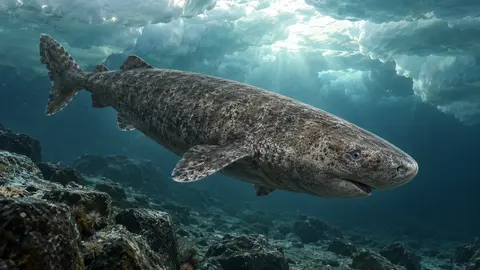
In the cold waters, the Greenland shark blurs our idea of a long life.
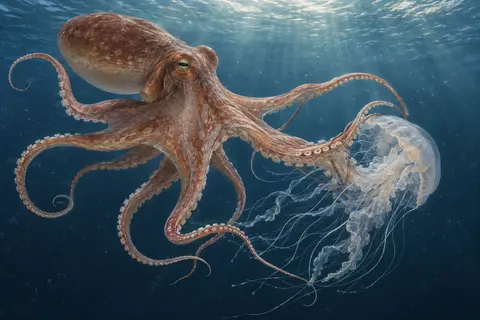
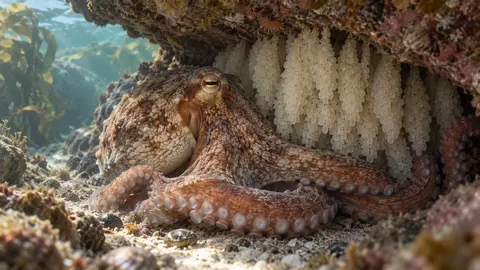
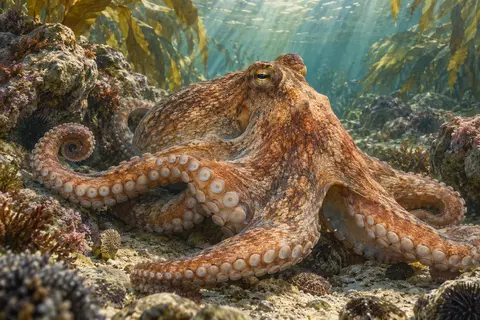
The circulatory system of the octopus divides the work between several pumps.
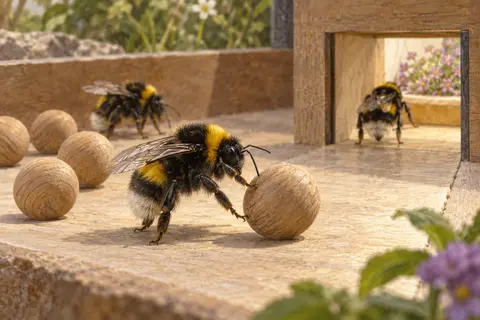
In an experiment, insects choose to handle objects without food reward.
Florida, USA; laboratory study
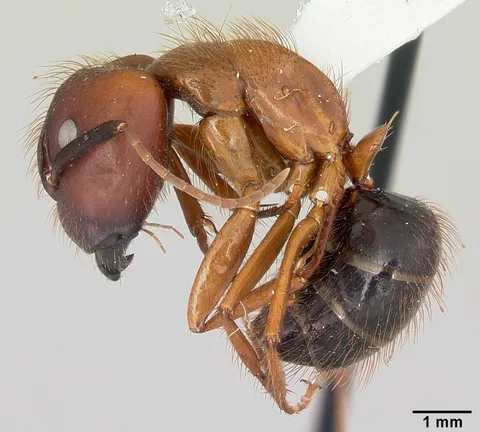
In a Florida ant, the observed care varies depending on the location of the injury.
Queensland, Australia
The males of the large gardener place the small objects near the observation point of the female.
Off the coast of Japan
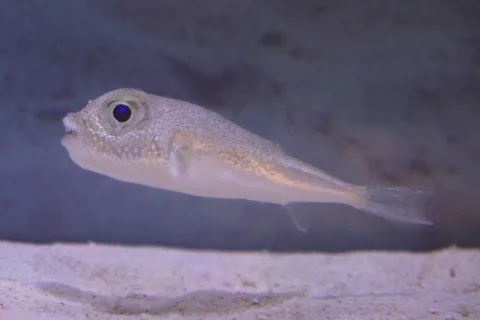
A Japanese pufferfish constructs a geometric structure much larger than its body.
Marine environments
Algae, sponges and sometimes anemones become the camouflage of some decorative crabs.
Southeast Alaska, United States
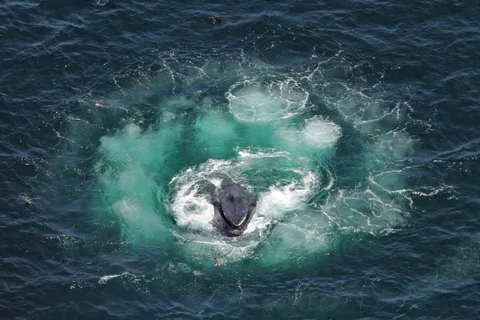
Humpback whales adjust bubble networks to concentrate the krill.
North American Atlantic Coast
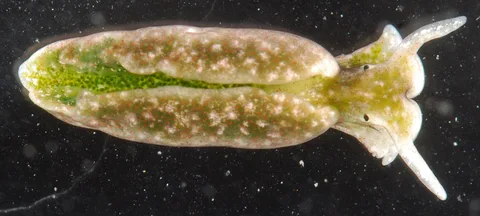
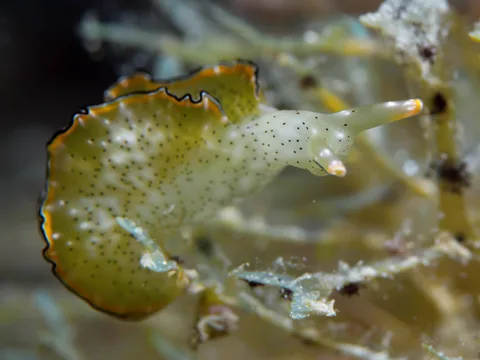
Elysia chlorotica retains algae chloroplasts capable of continuing their photosynthesis.
Japan; laboratory observations
Marine slugs were observed after a dramatic separation between their head and body.
Suaq Balimbing, Sumatra, Indonesia
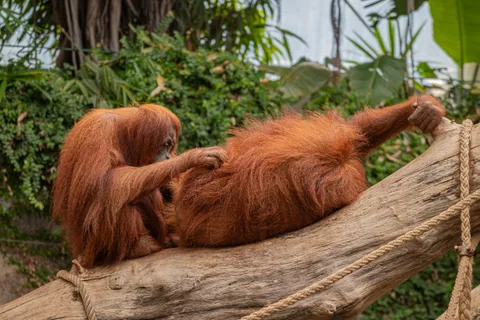
Rakus was observed using a liana directly on a wound in the face.
Laboratory study; African naked mole rat
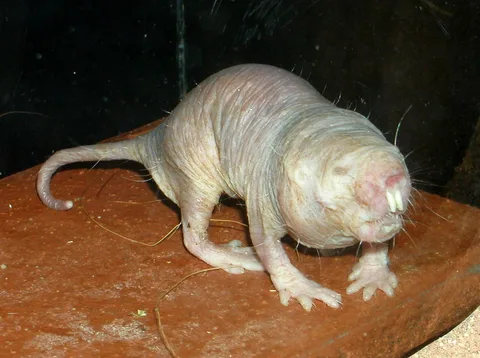
In the laboratory, the naked mole rat uses an unusual metabolic pathway when oxygen is lacking.
Samburu and Amboseli, Kenya
Broadcast recordings and tests support the existence of individualized calls.
Zambia
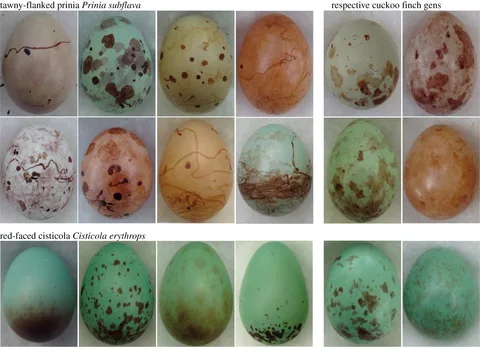
Anomalospize lines can mimic the eggs of several host species.
Farne Islands, United Kingdom; Antarctica
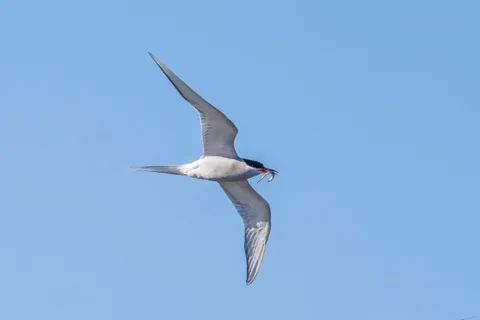
A followed tern connected the United Kingdom to Antarctica.
Colonies of Flamingos
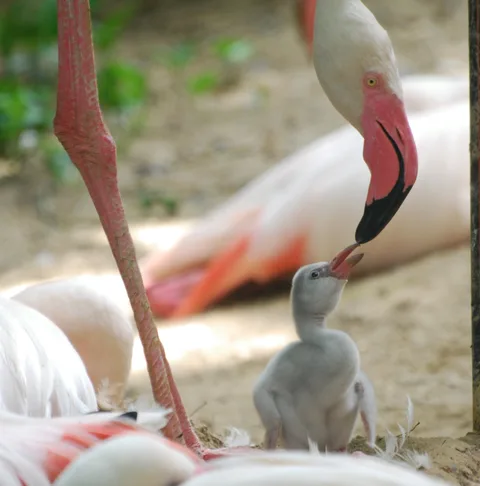
By feeding their young, the flamingos can fade.
Panama: Study in Captivity
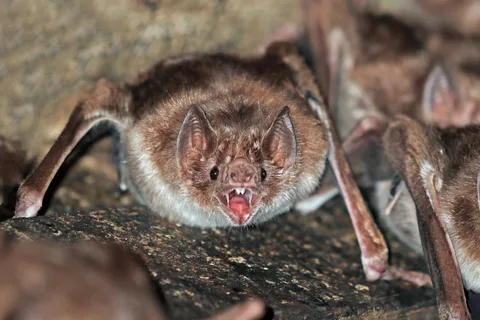
Common vampires gradually form food-sharing relationships.
Study in aquarium
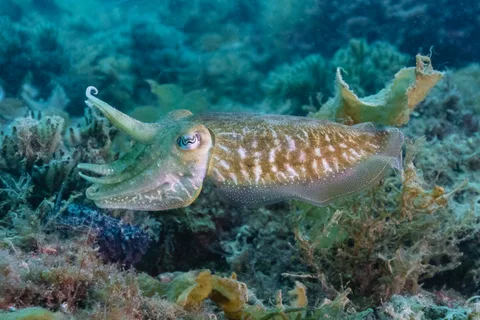
The camouflage of the cuttlefish combines color with three-dimensional surface modifications.
Vanderbilt University, USA; experiences
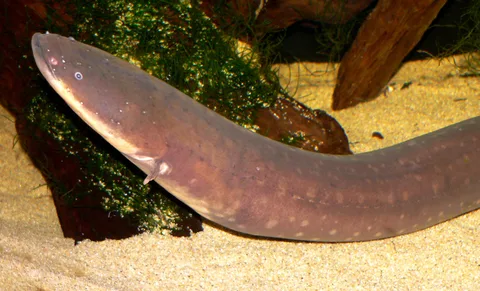
Experiments show an electrical defense directed at a partially submerged conductive object.
Kobe University, Japan
An aquatic insect survived an unusual crossing observed in the laboratory.
Coastlines; control laboratories
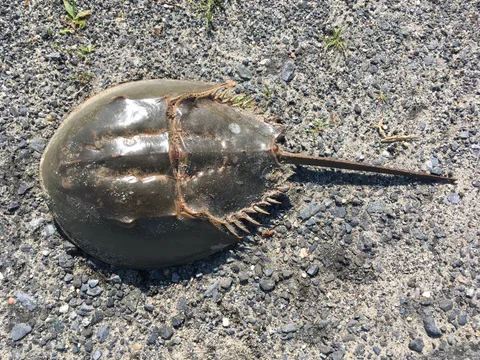
A reaction of limule blood to bacterial toxins is used in control tests.
University of Michigan, USA
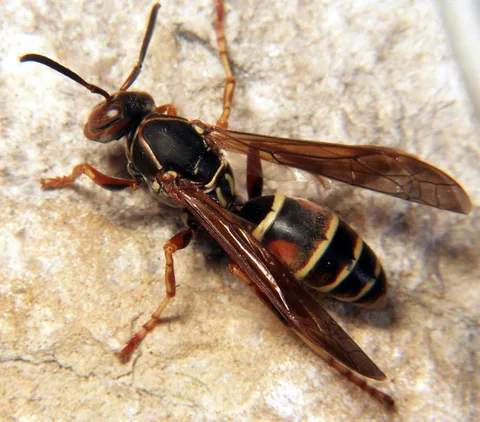
Fuscatus polists learn particularly well the faces of wasps of his species.
Study of experimental colonies
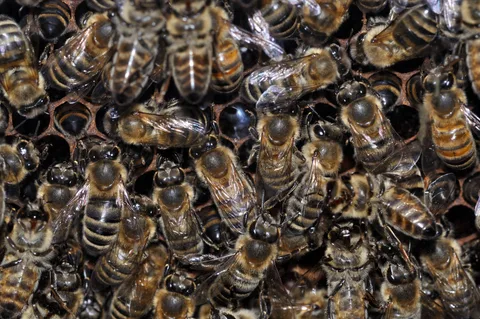
The social experience improves the precision of the dance that indicates a food resource.
Try another word.