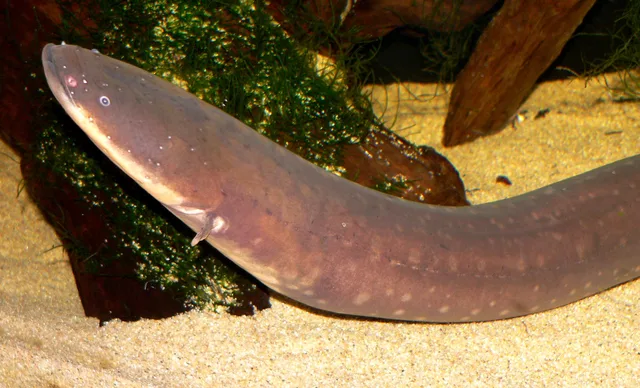
Facing an object that enters its water, an electric eel can do more than stay submerged. In experiments described in 2016, she rose up and kept her head in contact with a conductive object. A part of his body came out of the water during the defense.
Researcher Kenneth Catania measured what was happening in this configuration. When the animal climbs further along the object, the current distribution changes and the discharge received by this conductor increases. Experimental assemblies, including a dummy arm with conductive elements, have made the phenomenon measurable and visible.
It is not an eel leaping on the ground to pursue walkers. Contact with water and with the driver is part of the studied mechanism. The surprise comes from this active posture: the animal can change the way its electricity passes through a threat, rather than simply emit the same discharge by staying at the bottom of its basin.
What we know
Experimental defensive behavior; no pursuit of people on land.
To go to the source
References accessed October 11, 2026. Linked pages may be in another language.
Signaler une erreur ou apporter une précision