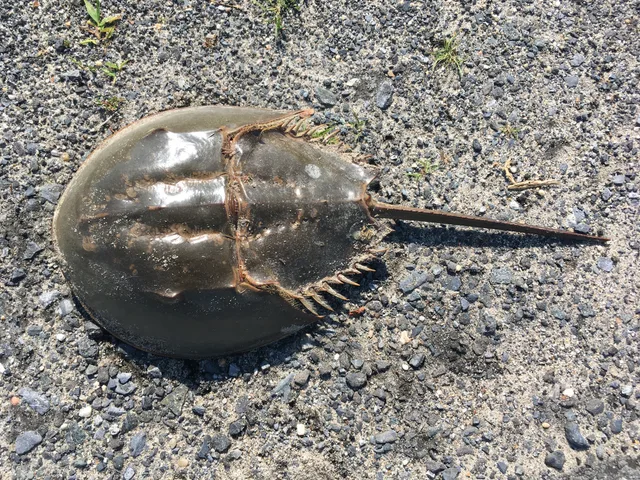
The stem has a rounded shell and a long back tip. Its English name may make it look like a crab, but it is closer to arachnids. Another detail distinguishes her: her blood has a blue color, linked to a respiratory pigment containing copper.
Cells in this blood react to certain bacterial toxins. This property has been used to develop control tests of drugs and medical devices. This is not about injecting blood from the limule to patients, but looking for potentially dangerous contamination before using health products.
However, the animal is not just a laboratory resource. Limes belong to coastal ecosystems, and their eggs feed birds in particular. Blood extraction and other uses must therefore be replaced in this real life. A creature that could be taken for a strange vestige of the past is thus at the crossroads of marine biology and medical control.
What we know
Blue blood linked to copper; tests detect endotoxins, not all possible dangers.
To go to the source
- NOAA Ocean Service — Why are horseshoe crabs important? (new tab)↗
- NOAA Fisheries — Birds, bait and blood (new tab)↗
References accessed October 11, 2026. Linked pages may be in another language.
Signaler une erreur ou apporter une précision