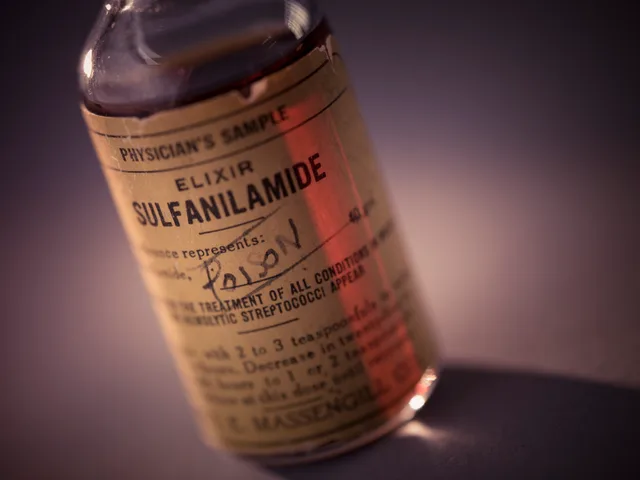
By 1937, sulfanilamide already exists in forms used against certain infections. A manufacturer decides to offer a liquid version. The preparation is evaluated for its taste, color and appearance. These satisfactory tests do not, however, constitute a verification of its safety.
The liquid contains diethylene glycol, which is toxic to humans. No toxicity tests have been performed prior to commercialization. At that time, U.S. legislation did not yet impose the prior safety studies that would become mandatory for new drugs.
The product is distributed in several states. More than 100 people are dying. Agents of the Food and Drug Administration search for the bottles, trace their circulation and try to recover the quantities sold. Pharmacy receipts need to be reviewed to find the recipients.
The disaster contributed to the federal law of 1938 strengthening controls. Checking that a liquid pleases the palate had not proven it was safe.
What we know
The story describes the law and controls of 1937, not the current rules.
To go to the source
References accessed October 11, 2026. Linked pages may be in another language.
Signaler une erreur ou apporter une précision