On the evening of November 13, 1985, the Nevado del Ruiz erupted in Colombia. Burning materials interact with the snow and ice of the summit. The water released leads to debris, then grows by collecting sediments from the valleys. These volcanic flows, called lahars, take the direction of Armero, several tens of kilometers from the crater.
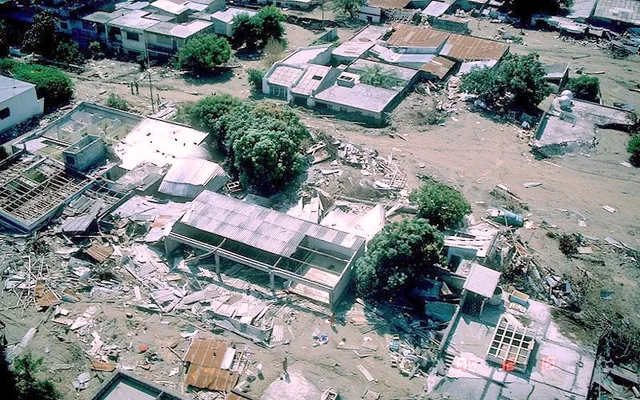
The city is not destroyed by a river of lava. It is invaded by a rapid mixture of water, rocks and mud, capable of taking away buildings. Thousands of people are dying. According to USGS feedback, the flows reach Armero about two hours after the eruption, but an effective alert did not allow evacuation.
Living away from the summit does not rule out a danger that runs along the rivers. Armero has deeply marked volcanic monitoring and the transmission of alerts to threatened communities.
What we know
Lahars are streams of debris and water, distinct from lava. Balance sheets vary according to the geographical scope chosen.
To go to the source
References accessed October 11, 2026. Linked pages may be in another language.
Signaler une erreur ou apporter une précision