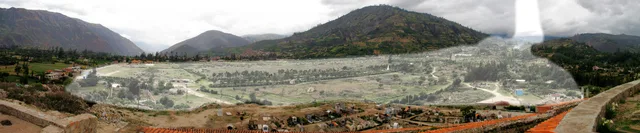
On May 31, 1970, an earthquake struck Peru. On the Huascarn, a huge mass of rock, snow and ice stands out. It descends for several kilometers, loses nearly four thousand meters of altitude and reaches the inhabited areas around Yungay and Ranrahirca. The mountain is not erupting: the starting point is a collapse triggered by the earthquake.
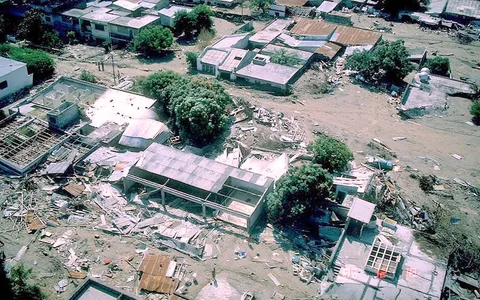
The debris does not remain grouped as a simple block fallen at the foot of a cliff. Their movement drives other materials and produces an extremely mobile avalanche. The USGS describes the destruction of Yungay and much of Ranrahirca, with an estimated death toll of about 18,000 for this avalanche.
Ranrahirca had already suffered a disaster in 1962. The 1970 event reveals another scale: the same summit can produce avalanches of very different dimensions.
What we know
The balance sheet cited is an estimate of the avalanche, not the balance sheet of the entire Peruvian earthquake.
To go to the source
References accessed October 11, 2026. Linked pages may be in another language.
Signaler une erreur ou apporter une précision