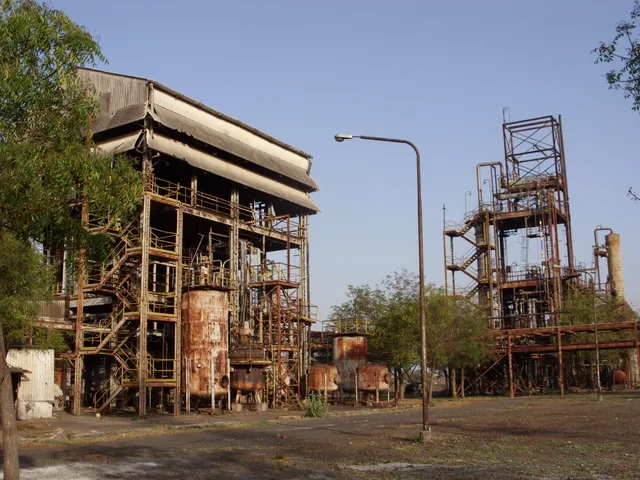
On the night of 2 to 3 December 1984, a toxic cloud escaped from a pesticide plant in Bhopal. It reaches inhabited neighborhoods. For local residents, the danger does not resemble a remote industrial operation: it enters the streets and touches people at home.
The disaster is causing thousands of deaths and numerous health damage. Published numbers differ depending on whether they include first-time victims, subsequent deaths, or longer-term consequences. Adding them without specifying the period would give false certainty.
In its documents on chemical safety, the International Labour Organization reviews this accident and its lasting consequences. Storage, installation protections and prevention of major accidents cannot be examined independently of the populations around the site.
The scary aspect of Bhopal lies at this border crossed. The residents did not need to be in the factory to undergo the exhibition. This account describes the historical event and the findings of the reports consulted; it does not transform these old documents into the current medical or environmental assessment of the city.
What we know
Balance sheets vary between periods; the current situation is not inferred from an old report.
To go to the source
- Organisation internationale du travail — De nouvelles formules pour la sécurité chimique (new tab)↗
- OIT — World Day for Safety and Health at Work, report 2004 (new tab)↗
References accessed October 11, 2026. Linked pages may be in another language.
Signaler une erreur ou apporter une précision