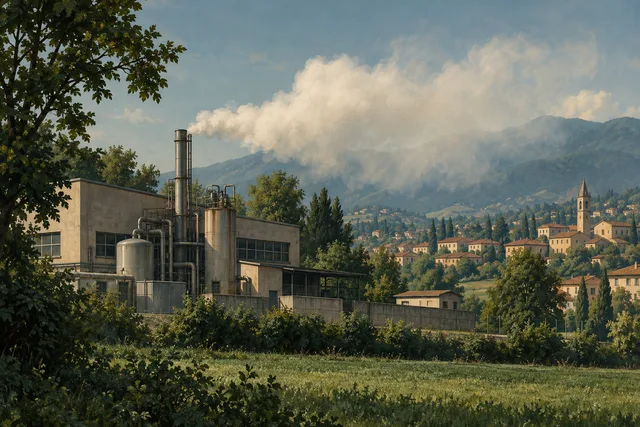
On July 10, 1976, in the Icmesa plant near Seveso, an overpressure protection opens on a chemical reactor. A white cloud rises and then leaves the site. Among the substances released is TCDD, a highly toxic dioxin.
The danger does not end when the cloud dissipates. In the following days, the management of the event suffers from insufficient information and poor communication between the company and the authorities. Residents get sick, animals die and others are slaughtered to avoid contamination of the food chain.
The Health and Safety Executive study highlights several flaws: insufficient process control, lack of device to collect toxic materials evacuated and unavailable information on products released. An installation can therefore protect a container from excessive pressure while letting out a dangerous substance.
The name Seveso remains associated with the European rules on major industrial accidents. Behind this administrative designation is a real event where a few minutes of rejection created a problem far beyond the limits of the factory.
What we know
The HSE dates the accident of July 10; the danger is not measured by the color of the cloud.
To go to the source
- HSE — Icmesa chemical company, Seveso, Italy, 10 July 1976 (new tab)↗
- HSE — Seveso III Directive (new tab)↗
References accessed October 11, 2026. Linked pages may be in another language.
Signaler une erreur ou apporter une précision