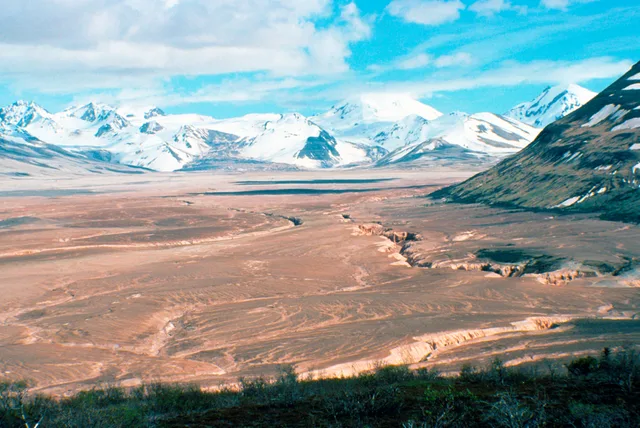
In June 1912, a gigantic eruption obscured part of Alaska and filled valleys with burning volcanic deposits. The summit of Mount Katmai collapses and leaves a large caldera. The first researchers therefore attribute to this mountain the essential of the eruption. The explanation is more strange: almost all the magma came out in Novarupta, about ten kilometers away.
The National Park Service describes an underground system linking magma storage and a remote exit point. Drainage contributes to the collapse of the Katmai, while Novarupta emits ash and pyroclastic flows. It takes decades of research to make this distinction clear.
The Valley of the Ten Thousand Smokes owes its name to the steam coming out of the hot deposits. It is not about ten thousand volcanoes, but traces of a single major crisis.
What we know
Katmai collapsed, but Novarupta was the main eruptive vent of 1912. The number of "smokes" is a place name.
To go to the source
References accessed October 11, 2026. Linked pages may be in another language.
Signaler une erreur ou apporter une précision