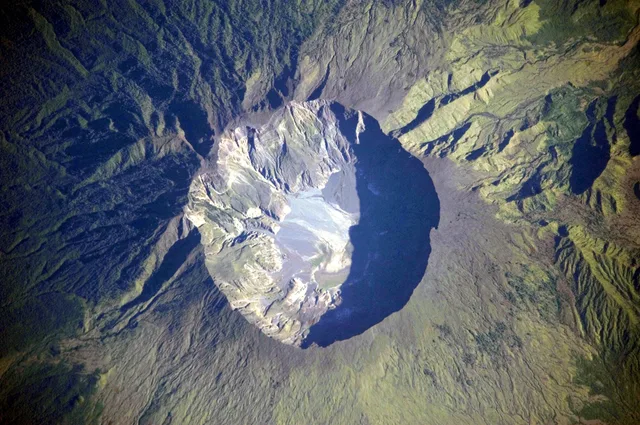
In April 1815, the Tambora erupted violently on the Indonesian island of Sumbawa. Explosions and volcanic flows devastate the surroundings. But some of the consequences take place much further and much later: the year 1816 becomes famous in several regions as the “year without summer”.
Volcanic emissions affect the circulation of solar radiation in the atmosphere. Low temperatures and bad weather are disrupting harvests, especially in Europe and New England. The USGS links this crisis to the effects of the eruption, while documenting a separate local disaster ahead of more distant shortages.
The whole world has not lost an identical season. The effects varied by region, but some growers suffered the consequences of a volcano located far from their fields.
What we know
“Year Without Summer” is a historic designation; climate impacts were not uniform across the Earth.
To go to the source
References accessed October 11, 2026. Linked pages may be in another language.
Signaler une erreur ou apporter une précision