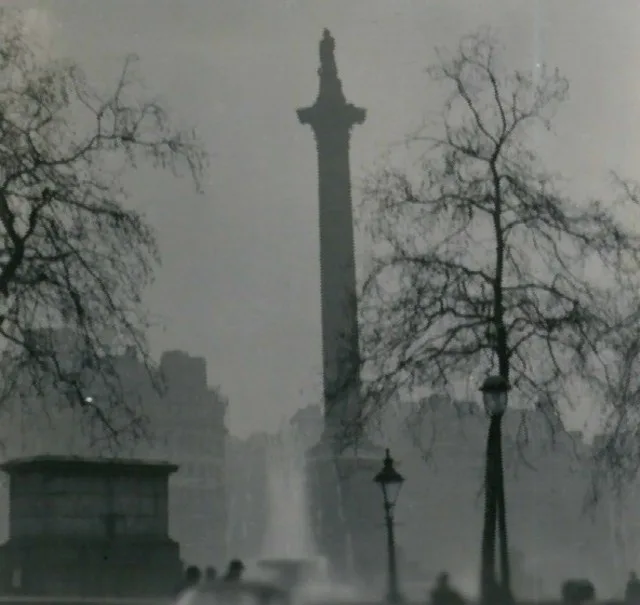
From 5 to 9 December 1952, London remained in a fog filled with smoke. In places, the visibility drops to a few meters. Pedestrians struggle to orient themselves to familiar neighborhoods. This impressive decor hides a more serious effect than a simple transport stop.
The cold makes people burn a lot of coal. Household and industrial chimneys emit pollutants that an anticyclone and a temperature inversion prevent from dispersing normally. The smoke stays close to the ground and mixes with the fog.
The Met Office reports about four thousand deaths then known to be associated with this episode, adding that the toll could be higher. The number is not a list of people who died instantly on the street. Respiratory problems multiply during this exceptional exposure.
The fog eventually dissipates, but the health consequences persist. What the locals no longer saw, they continued to breathe.
What we know
Deaths are health estimates; fog is not likened to all fogs.
To go to the source
References accessed October 11, 2026. Linked pages may be in another language.
Signaler une erreur ou apporter une précision