In 1996, an eruption took place under Vatnajkkull in Iceland. Ice masks some of what’s going on, but the heat melts large amounts of water. Their release causes a jkkulhlaup: a sudden glacial flood that descends to the plains south of the cap.
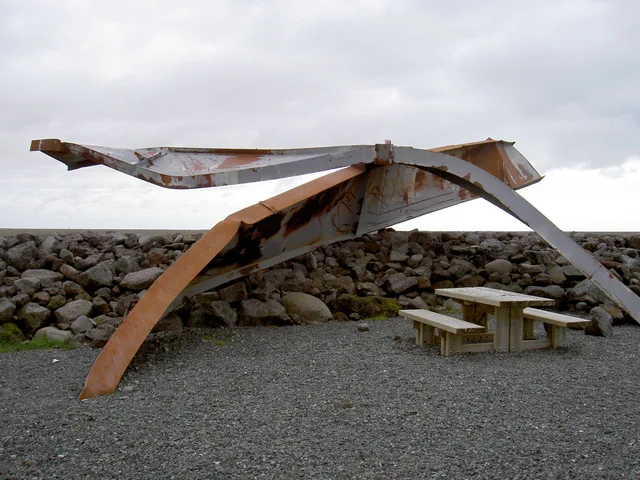
NASA describes a two-day episode in which bridges are washed away. The glacier also suffers many internal fractures, recorded as “ice earthquakes”. The risk is therefore not limited to the place where the volcano manifests itself: water and debris move its consequences to distant circulation axes.
The satellite images put the cap and the plain in the same landscape. Under a white surface, the heat had accumulated water capable of carrying away the bridges.
What we know
The jkkulhlaup is a flood from the glacial system, not a marine tsunami or lava flow.
To go to the source
References accessed October 11, 2026. Linked pages may be in another language.
Signaler une erreur ou apporter une précision