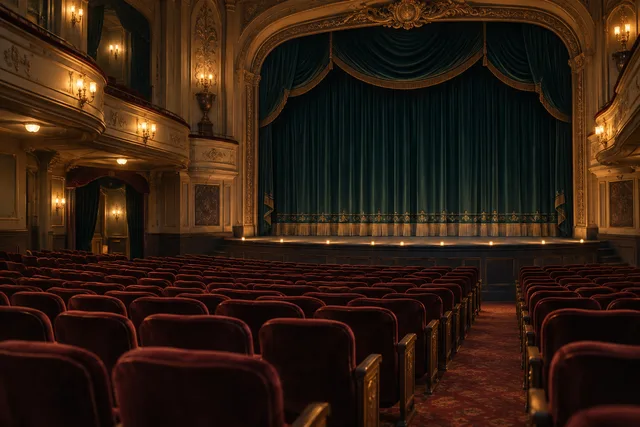
The Iroquois Theatre in Chicago opened on November 23, 1903. On December 30, a large audience attends a show when the fire breaks out. The facility is almost new, but this novelty does not guarantee that its protections will work in the face of a real fire.
A security curtain was to separate the stage from the room. It does not properly fulfill its role. During evacuation, doors that are closed or open inwards aggravate the trap. The pressure of people seeking to get out becomes an additional obstacle to the functioning of the exits.
More than 600 people are dying. The chronology gathered by the Library of Congress describes the following measures: closure of Chicago theaters for controls, then evolution of standards elsewhere, especially in New York. The disaster calls into question the way rooms are designed and checked.
A security curtain and exits existed. Their presence did not prove their effectiveness: the evacuation depended on really usable protections.
What we know
Curtain, doors and evacuation are documented; no imaginary origin is added.
To go to the source
References accessed October 11, 2026. Linked pages may be in another language.
Signaler une erreur ou apporter une précision