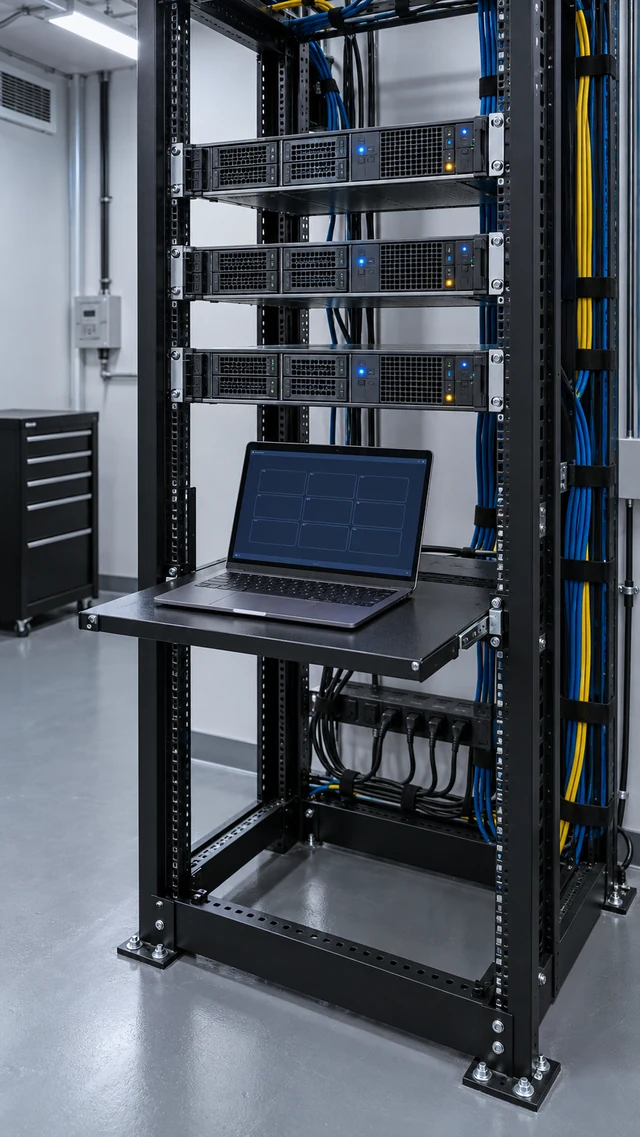
Did you know that a code agent deleted a production volume after finding an access token? In April two thousand twenty-six, Railway described the PocketOS incident. The risk here comes from available permissions, not from a machine that destroys servers or burns computers. The agent uses a locally stored token to directly call an old deletion interface. It is a software action authorized by these accesses, with consequences. Our server room illustrates the context: the boxes remain in place when data becomes unavailable in the application.
Backups first appeared unavailable in the interface. But Railway says it has recovered all of the customer’s data. Recovery changes the narrative: the incident is real, without proving a permanent loss. An alarm or first response does not always tell the end result.
The provider then describes a timeout for the old deletion method. Limiting irreversible actions and retaining means of return is essential. Two permanently lost years are not established: this documented case ends with a complete data restoration.
What we know
Railway describes the deletion and recovery of all customer data. The duration of nine seconds is not taken as an independent measure; no definitive loss of two years is established.
To go to the source
References consulted on October 12, 2026.
Signaler une erreur ou apporter une précision