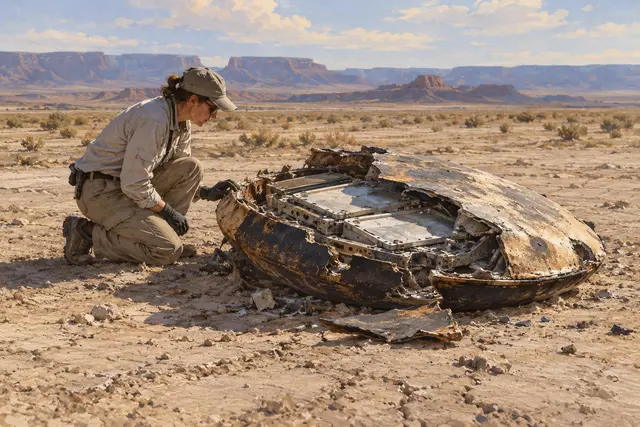
On September 8, 2004, the Genesis capsule returned to the Utah desert. It contains samples collected for more than two years in the solar wind. But his parachute does not deploy. The expected return becomes a violent shock, which damages the container and contaminates the precious collectors.
The teams transport the remains to a clean room and undertake a thorough disassembly. Thousands of fragments were found. The accident requires a recovery and analysis work very different from that imagined for a normal arrival. However, the presence of debris and contamination does not mean that any information is permanently inaccessible.
In the following years, the researchers still draw results from the materials saved, especially on isotopes of gases present in different types of solar wind. The crash did not make the mission scientifically mute. This does not turn the accident into operational success: the results were achieved despite the damage, thanks to the work carried out after the return.
What we know
Results recovered despite a failed landing and contamination.
To go to the source
References consulted on 3 October 2026. Linked pages may be in another language.
Signaler une erreur ou apporter une précision